NetBet Online Casino In Ireland: Start

Quick plan: create an account, set a budget and time, then play a few rounds with clear breaks in Ireland, 2026.

Play Now!
Slot Fortune Gems 2

Table of contents

  • The Dog House Megaways Slot
  • Lucky Joker 10 Extra Gifts Slot
  • Sword of Ares Slot
  • Floating Dragon Hold & Spin Slot
  • Leprechaun Riches Slot
  • Fruit Coctail Slot
  • The Dog House Megaways Slot
  • Sword of Ares Slot
  • Fruit Million Slot
  • The Dog House Megaways Slot
  • Fruit Box Slot
  • Big Fisherman Slot
  • Seven Books Unlimited Slot
  • NetBet Casino Fortune Slot
  • Sword of Ares Slot
  • Floating Dragon Hold & Spin Slot
  • 9 Mad Hats Slot
  • Floating Dragon Hold & Spin Slot
  • Big Bass Splash Slot

Slot Games


  • Coin Volcano Hold and Win 3x3 Slot
  • Green Chilli 2 Slot
  • Winter Star Bonus Buy Slot
  • Eggs of Gold Slot
  • Book of Wizard Double Chance Slot
  • Bonanza Billion Slot
  • Miss Cherry Fruits Jackpot Party Slot
  • Neon Capital Slot
  • Money Minter Slot
  • Hockey Shootout Slot
  • Mega Greatest Catch Bonus Buy Slot
  • Black Wolf 2 Hold and Win Slot

Crash Games


  • Ninja Crash Slot
  • Balloon Slot
  • Cricket X Slot
  • Crash Duel X Slot
  • Space XY Slot
  • Crash Slot
  • JetX Slot
  • Spaceman Slot
  • JetX 3 Slot
  • Crash Royale Slot
  • Stormy Witch Slot
  • Ho Ho Hodl Slot

Live Dealers


  • Baccarat Dance by Vivo

    Baccarat Dance

  • Boom City by Pragmatic Play

    Boom City

  • Emerald Blackjack by Pragmatic Play

    Emerald Blackjack

  • Roulette Las Vegas by Vivo

    Roulette Las Vegas

  • Lucky 6 Roulette by Pragmatic Play

    Lucky 6 Roulette

  • Roulette Live by Betgames

    Roulette Live

  • Limitless Blackjack by Vivo

    Limitless Blackjack

  • Sweet Bonanza Candy Land by Pragmatic Play

    Sweet Bonanza Candy Land

  • Gravity Sic Bo by Iconic 21

    Gravity Sic Bo

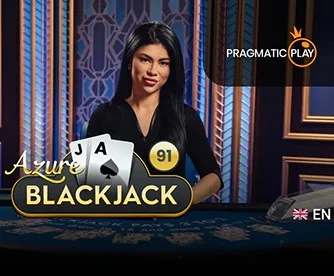
  • Azure Blackjack by Pragmatic Play

    Azure Blackjack

  • Roulette Live by LiveGames

    Roulette Live

  • Baccarat Caribbean by Vivo

    Baccarat Caribbean

  • Playson
  • Playtech
  • Pragmatic Play
  • Novomatic
  • PG Soft
  • Amatic
  • Evolution
  • Belatra
  • NetEnt
  • Play'n'GO

NetBet Casino IE: Settings For 2026

A slow start is better than a quick start that bothers you later. Before you play, quickly map out the platform: where is your transaction history, where are limits changed, and how do you close the session without “returning again”. Imagine the scenario: you're looking for a break after a long day, and you open the app without any plan. Usually, you go in “for a few spins” and end up browsing games, tapping quickly, and losing track of time. With default settings, the experience remains a hobby.

Play Now!
home 1

In the context of Ireland, keep in mind that this is adult entertainment and should be used according to applicable rules. You don't have to be perfect. You need to be consistent. First, put three decisions in place: a budget for the day, maximum time, and a stop rule (for example, “when the alarm sounds, I finish the block and log out”).

There are small things that make a big difference: silencing notifications, checking the bet before confirming, and taking a break in the middle of the session. Bad decisions often happen when you're tired, not when you're thinking. So, prevent fatigue: short sessions, clear blocks, and a clean end.

You shouldn't rely on memory alone. Keep a small note (on your phone or on paper) with these three rules. Why? Because when your mood changes, your “logic” also changes. And if you have a written rule, you don't have to convince yourself every time.

A small question in the middle of a session that often works: “Am I enjoying this, or am I trying to fix something?” If you're trying to fix it, stop. Not because you're “weak,” but because the session is slipping from entertainment to pressure.

NetBet Casino Sister Sites: How to Compare Options

When different options are available, it's easy to say “I'll try another one.” But if you change platforms without criteria, you don't change the problem – you change the symptom. Imagine the scenario: you had an uncomfortable session and decided “that wasn't for me.” Usually, the problem wasn't the game itself, but the lack of limits and the too-fast rhythm. If you switch without adjustments, the same pattern will repeat.

Play Now!
home 2

The useful comparison is a comparison of “control,” not of promises. Look at three things: how quickly you find the history of movements, how simple it is to set limits, and how easy it is to reach support when you have a question. Then do a small test with identical rules: the same budget, the same time, and the same stopping rule.

If you feel more relaxed with that setup, it's a good sign. If you feel pushed by speed or temptation, it's a sign to return to the plan rather than a new option.

People try to make a “quick” comparison and then end up with five accounts and confusion. It's better to change one thing at a time: first, the rhythm. Then, the budget. Then, the payment method. If you change everything together, you won't know what made the improvement.

Imagine the scenario: you're playing on your phone and notifications come in, then you open another option and continue without stopping. Usually, that's the “automatic” that comes with every platform. Your protection is habits – blocks, breaks, and endings.

home 3

Online Casino NetBet: Practical Registration

Registration is like your seatbelt. You don't always see it, but it saves you when something small goes wrong. Imagine the scenario: you have a session, you get a small win, and then you want to close the session with a withdrawal request. If your data is incomplete, there's a delay, and there's frustration. With frustration comes the temptation to stay in “until it's resolved.” It's better to do the order in advance.

Play Now!

In this step, do the basics well: consistent data, working contacts, and simple security (unique password, not leaving a session open on a shared device). In 2026, there are sometimes additional checks when you change devices or payment methods. That's not a bad thing. It's normal security practice. But it's much easier if your profile is ready.

The goal isn't “to get in as fast as possible.” The goal is “to get in and stop easily.” That's the difference. If it's easy to stop, you can enjoy it without fear of going overboard.

Implement a rhythm from the start: choose one game, do a short block, and then a break. If you're still comfortable, continue. If not, close. That's better than “I'll wait and see.”

Profile and Verification Without Stress

Nobody likes paperwork, but it's better to do it when you're calm than when you're trying to finish a session. Imagine the scenario: you're trying to make a small change to your data, but you're on the phone in the middle of a conversation, and you're typing quickly. Usually, a small mistake is made at that moment. Then comes a delay, and then discomfort. Do this work on your own terms: quiet time, a stable connection, and a few minutes without pressure.

Get your profile in shape like you would put your bank card in your wallet: in order, ready, and safe. Check your email and phone. If you change your number, update it before any session. These small things make a big difference when you need a confirmation or a code.

And keep a “primary device” in mind: one device for management (settings, payments), and another device for short sessions. That reduces errors.

Limits, Time and Breaks

Limits are your defense system. They don't end the fun – they keep it within walls. Set a deposit limit, a loss limit, and a time limit. Imagine the scenario: after a few unfavorable results, you feel the urge to “do something.” That's when people raise bets without a plan. If you have a loss limit, you'll stop before making an emotional decision.

Take a scheduled break in the middle of the session, even if you think it's not necessary. The bad decision often comes right after 15-20 minutes of speed. With a break, you break the rhythm and return with a clearer head.

A question that always works: “If I stop now, will I be okay with what I've spent?” If the answer is “no,” stop earlier. That's the practice.

Routine Before The First Session

Silence notifications, check your budget for the day, and choose a low bet to start. Set a time alarm. Then do a short block of spins and stop to check your state. Imagine the scenario: you're trying to “just try it out” and your finger is going faster as you get more impatient. If you implement this routine, you keep your hand on the wheel.

Don't start with a “long session”. Start with a “manageable session”. There's a difference. A manageable session means you can cut it short without regret.

And if you're tired, shorten the time. It's a simple truth: tiredness = more mistakes.

How to Stop Before the 'Feeling' Arrives

The “feeling” comes late. That's the problem. The body gives earlier signals: irritability, speed, and the urge for “one more”. Imagine the scenario: you tell yourself “one more and I'll stop”, but after five more you're still in. The practical solution is a stopping rule that doesn't rely on emotion: an alarm, a number of turns, or a spending limit.

If you win, don't use that emotion to extend the session. If you lose, don't use that emotion to increase the risk. The same answers work: pause, check, and a cold decision.

Stopping is often the biggest “win”, as it puts you back in control.

NetBet Casino Online: Deposits and Withdrawals

With transactions, you only need two things: consistency and patience. Choose a payment method in your name and stick with it, rather than changing things every session. Imagine the scenario: you make a deposit, don't see the immediate update, and try again due to anxiety. That creates confusion, and then time is lost explaining what happened. It's better to check the status, wait a short period, and then act with data.

In 2026, times depend on the method and security checks. Don't bet on yourself that everything will be finished by a certain minute. It's healthier to think in terms of a time frame and to close the session on your own terms.

Keep a simple record for yourself: date, amount, method. No need for lengthy documents. You just need something that stops anxiety and confusion.

Payment Methods and Time Expectations

There is no “perfect method” for everyone. It depends on your usual habits, your bank, and your comfort level with digital wallets (for example). Imagine the scenario: you're in a hurry and choose a new method without reading. Usually, a small question arises afterwards and disrupts your session. It's better to choose a method with a cool head, and remain consistent.

Here's a practical table with general guidance. It doesn't promise an exact number, but it helps set expectations:

Payment Method

Deposit Crediting Usually

Withdrawal Processing

Suitable For

Basic Tip

Card

Fast Or In Minutes

From Hours To Days

Short Sessions

Check bank limits

Digital Wallet

Very Fast

From Hours To Days

Mobile Use

Enable additional verification

Bank Transfer

Slower

Slower

Larger Amounts

Confirm details before sending

Prepaid

Often Fast

Variable

Strict Budget

Don't always rely on it

Local Method

Usually Convenient

Depends on the system

Personal Choice

Keep a simple record

If you choose a method, stick with it for a while. It's easier to monitor times and habits when you're not constantly changing everything.

Deposit With a Plan, Not Emotion

Make one deposit, according to your plan, and without multitasking. Check the amount before confirming, and don't try again without a clear status. Imagine the scenario: you're on the phone, a message comes in, and you quickly confirm. That's when small mistakes happen that cause you great stress afterwards.

After a deposit, start with a “warm-up”: a short block, a low bet, and a check. If you feel tempted to put in more, ask yourself why. Was it in the plan? Or is it coming from emotion? If it's from emotion, the right action is a break, not more money.

People often think another deposit will fix the session. It doesn't. It makes it longer. Short sessions with clear rules are always healthier.

Withdrawal: Record, Patience, and a Clean Finish

Before requesting a withdrawal, make sure your profile is in order and your details are consistent. Imagine the scenario: you want to start the weekend with a closed session, but a small step is missing. A delay occurs, and the urge to stay in “until it's resolved” arises. If you make the order in advance, you avoid that peak stress.

Keep a record: date, amount, method. It helps you follow the process without worry. And something very important: if you decide to withdraw, don't use that time as an excuse to keep playing. Close the session, check your history, and move on.

If something remains pending, do not cancel and resend repeatedly. That often makes the situation worse. Wait a reasonable period, and then contact support with the facts.

Games, Rhythm, and Budget Management

Discipline isn't about a single game; it's about your rhythm. If you're jumping from title to title, you're wandering without a map. Imagine the scenario: you open five games in ten minutes, and then you're trying to remember where you were. Usually, you don't remember, and you don't see the expenditure until it's done. It's better to choose one game, play one block, take a break, and then decide.

In 2026, dispersion often happens on the phone. Everything is “available” and it's too easy to tap forward. So, make the rules stronger than the temptation: time alarms, short blocks, and a clean end.

And be honest with yourself: if you play when you're tired, shorten the session. If you don't, fatigue will be making decisions for you.

How to Choose a Game Without Dispersion

Choose a game according to a goal. Are you trying out mechanics, or do you want a relaxed session with a smooth rhythm? Imagine the scenario: you're looking for quick stimulation, you choose something bright, and then you speed up. Usually, it ends in frustration. A better option: one game, low stake, short block, and a break.

Check the game rules for a few minutes. Not every detail is necessary, but it's good to understand what changes when you change your bet and how you stop. (Mistakes often come from misunderstanding, not bad luck.)

And don't mix too many categories in one session. Finish one block before changing. That reduces impulsivity.

Small Bets and Blocks

The bet is the gear. If you raise the gear, the session will run faster. Imagine the scenario: you've had a few unfavorable results and feel the urge to raise the bet “to come back.” That's the moment you need to lower the gear, not raise it. Take a break, check your budget, and then decide.

Divide your budget into three parts: trial, core block, and a reserve not touched on the same day. When the core block ends, close. This structure allows you to enjoy without feeling like you have to “achieve something.”

At the end of each block, check the expenditure. It's a small action, but it stops self-deception.

Mobile Mode: Avoiding Tapping Mistakes

On a phone, quick tapping is the biggest risk. Silence notifications, always keep the bet visible, and pause a second before confirming. Imagine the scenario: a call comes in, your finger moves, and you confirm something you didn't want. It doesn't take much to make a mistake. The protection is simple: slower rhythm and shorter blocks.

If you're out and on an uncertain network, avoid sensitive things: data changes, new payment methods, or major settings. Keep the session light and short.

And if the connection fails, don't do “another session” to fix that feeling. Close, wait, and return when you are stable.

Movement History and Notifications as a Compass

Movement history is the compass. Without it, you play on emotion. With it, you play on facts. Imagine the scenario: three small sessions in one day and you tell yourself “I didn't spend much.” Then you look at the history and see a larger sum. That's not a bad thing - it's information. And with information, comes control.

Set notifications that help you: new access, money movements, and limit changes. Avoid notifications that lure you back “without reason.” The platform should help you be clear, not push you into another session.

Do a 30-second check at the end of each block: time spent, money spent, mood. If your mood is deteriorating, it's a sign to stop.


Support and Personal Rules for 2026

Sometimes the smartest thing is to ask a question in time. Not because of a big problem, but because of a small ambiguity that could derail your session. Imagine the scenario: a transaction is pending, and you're trying to “solve” it by trying different things. Usually, that creates more confusion. It's better to stop, check the status, and contact support with clear details.

With personal rules, keep it simple: budget, time, break rule. If you're tired, shorten. If you're irritable, take a break or don't play. If you win, don't extend the session due to euphoria. If you lose, don't increase the risk due to anger.

In Ireland, keep this approach as part of responsible gambling for people over eighteen, and stay within the applicable rules. “Theory” is not needed. Small, regular actions are required.

A Message For Support That Works

Write a short message with a single theme and facts. Include four things: what happened, when it happened, what amount was involved, and what method or device you were using. Imagine the scenario: you write “it doesn't work” without a date or amount. You will get questions back and lose time. With clear details, you get practical steps faster.

Also state what you have already done: waited, checked status, reopened. This avoids basic responses and moves the conversation forward.

If you are trying to adjust limits or implement a break, do it when you are calm. In the midst of frustration, people choose overly harsh settings and regret them. And after you resolve the issue, close the session. A clean end is part of control.

FAQ

Choose an amount you consider a hobby and not “money to get back,” then divide it into small blocks for the day or week. Imagine the scenario: you're in a strong mood and say “I'll add a little more.” That's where the budget breaks. If you've divided the budget, you stop when the block ends, without negotiation. It also helps to keep the budget separate from daily expenses, even if it's in a simple note on your phone.

When you start tapping faster, when you feel irritable, or when the thought “one more and I'll stop” comes. Imagine the scenario: five “one mores” pass and you're still in. That's a sign that the rhythm is controlling you. Take a five-minute break, get up, move around, and check your spending. If you return, do one short block. If you're not calm, close and do something else.

Stop immediately and change activity for a few minutes. Imagine the scenario: after small losses, you increase the risk to “come back.” Usually, it ends with more stress and less control. A simple rule is best: do not raise bets out of anger. After the break, ask yourself if you are still enjoying it; if not, it's better to close the session and return tomorrow with a clear head.

Make the transaction in a quiet moment: no multitasking, no notifications, and with a double-check of the amount before confirming. Imagine the scenario: you don't see an immediate update and try again “just in case.” This creates confusion. Instead, check the status, wait a bit, and act with facts. If it remains pending, do not cancel and resend unnecessarily; go to support with the date, amount, and method.

Reduce speed, keep the bet visible, and pause for a second before each confirmation. Imagine the scenario: a message comes in and your finger moves, then you confirm something you didn't want. The practical solution is to silence notifications and do the session in short blocks with a timer. Avoid sensitive account changes when you're out, and if you feel uneasy, close the app rather than starting “another session.”

Be patient and avoid disrupting the process with repeated cancellations and resends. Imagine the scenario: you expect speed and get frustrated when the status doesn't move immediately. It's best to keep a simple record (date, amount, method) and give the payment method a reasonable period. If it's still unchanged, contact support with clear details and state what you've already done. And importantly: don't use the wait as an excuse to keep playing.

Keep it short and focused: one theme, then what happened, when, what amount, and what method or device. Imagine the scenario: you send a general message without details and get questions back. With facts, you get practical steps faster. Also state what you've already done (waited, checked status, reopened), and write in a neutral tone. Once the issue is resolved, close the session and return to your day to avoid “returning out of habit.”

🇬🇧 English
Play Now